







Mobile Phone Contracts UK
Too many phones. Too many tariffs. Too many networks. Too many perks. When choice becomes overload, clarity heals.

We Have Been Buying Mobile Contracts Backwards For Years
In 2011, Billmonitor (formed by Oxford mathematicians) analyzed 28,417 anonymous mobile bills against 8.5 million tariff combinations. They found 76% of pay-monthly users were on the wrong deal, wasting an average £194.71 per year.

The breakdown:
- 52% had tariffs too large for their needs
- 29% had tariffs too small, incurring out-of-allowance charges
- 19% weren't optimizing available benefits or contract structure
- The too-large group alone accounted for an estimated £2.62 billion of that annual waste
Fourteen years later, Ofcom's 2025 analysis found:
- 55% of pay-monthly customers use 20% or less of their data
- Another 17% use only 20-40%
- 39% bought tariffs with more than 50GB, yet only 5% actually used that much
- 29% consumed 2GB or less
- 8% used no mobile data at all
Ofcom explicitly concludes that many customers could save by choosing a tariff that better matches their usage.
The problem didn't disappear. It changed clothes.
So Why Start By Choosing A Phone Contract?
Start by finding out what kind of mobile user you are.

🚪 THE PPP THREE MOBILE USER DOORS
Thousands of options become three doors, then one requirement.
Less choice. Better fit. Less purchase regret.

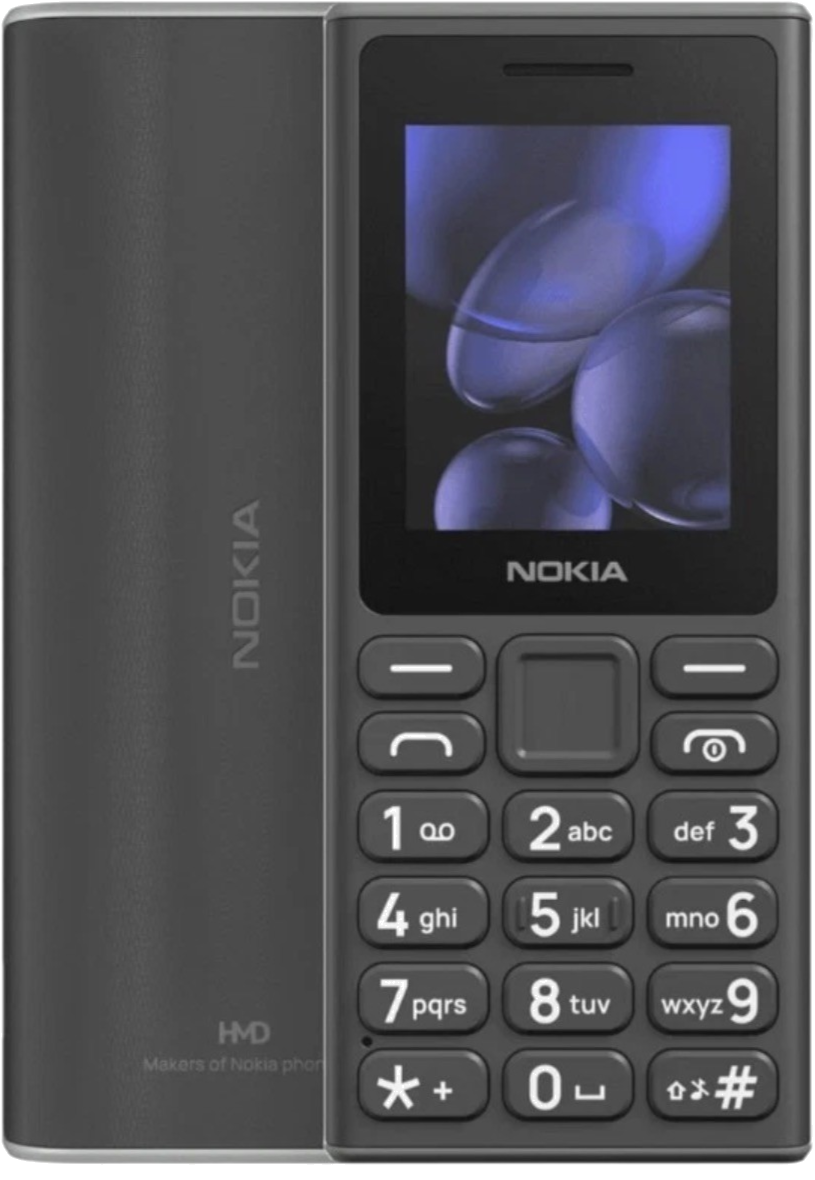

Ofcom's 2025 Q2 analysis revealed something striking: more than half of pay-monthly customers were using only a fraction of their available data allowance. Another 17% used only 20-40%.
This isn't about being conservative. It's about the mismatch between what networks sell (large allowances, unlimited everything) and what people actually use (a fraction of that).
Light and Medium users often face this trap: they think they need more than they actually use. They buy "just in case" and end up paying for excess they never touch.
PPP teaches the principle: enough capability for your real workload, enough headroom for occasional spikes, but not unlimited excess that sits idle.
If the gap between what you have and what you use is required headroom, it belongs in your requirement. If it's unused excess, you're paying for waste.


Ofcom found that 39% of pay-monthly customers bought tariffs containing more than 50GB of data — yet only 5% actually used more than 50GB.
This is the Heavy user trap in miniature: buying big because it feels safer, without checking whether your actual behaviour requires it.
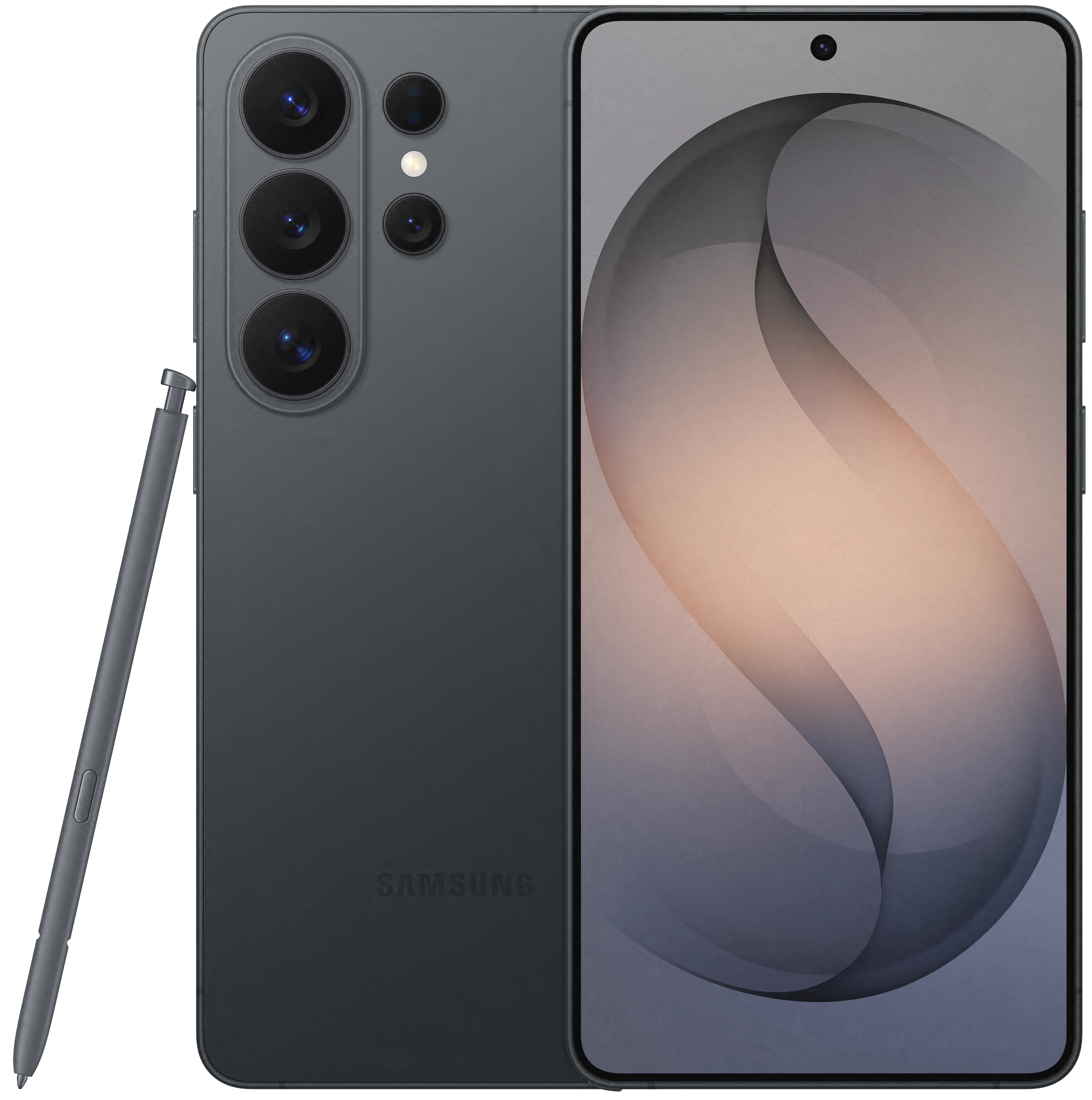
Heavy doesn't mean "unlimited everything." Heavy means capability that earns its place. A premium camera system you rarely use is excess. Unlimited data you never exhaust is waste. Features you never open are rent paid on fantasy.
PPP's capability test: if removing the capability creates recurring friction, it belongs in your requirement. If removing it changes nothing, you were paying for excess.
Medium users often sit between Light and Heavy. The question isn't "should I buy more?" It's "does the extra capability have a job?"

The tariff
The 2011 Billmonitor research found that 19% of users wasted money by not optimizing available benefits, allowances, or contract structure — even when they had the right level of inclusive minutes. The tariff line on your bill is only the beginning of the story.
The phone
When a network offers a phone with no upfront cost, the cost is still recovered somewhere — through device payments, the wider agreement, or bundled into the monthly tariff. NO UPFRONT COST ≠ FREE PHONE. The phone isn't necessarily free. Its cost may simply be paid in a different place, over a different timescale.
The perks
Advertised Value ≠ Available Value ≠ Useful Value ≠ Realised Value. A concert ticket you never use, a streaming subscription you never watch, a loyalty programme you never engage with — these aren't value. They're waste wearing a disguise. PPP counts a perk only when you would actually use it.
The FOMO
Flagship phones are beautiful. Fast, capable, photographing like magic. Of course you want one. But loving a phone is not a requirement. It can become a long financial commitment wearing a disguise. In 2015, Citizens Advice mystery shopping found 40% of shoppers were recommended tariffs containing at least 1,000 minutes — four times what the fictional customer needed — while sales conversations focused on the handset, not the usage.
WANT ≠ REQUIREMENT. Value is only value when behaviour activates it.
The PhoneIsMobile Process Programme
The PhoneIsMobile Process Programme (PPP) is a customer-to-contract matching process designed to turn personal mobile behaviour into a defined mobile requirement before a tariff or handset is chosen.
For customers, its purpose is to reduce choice overload, purchase anxiety and avoidable mismatch. For networks, better customer-to-contract alignment is intended to support satisfaction and retention while reducing avoidable returns and dissatisfaction.
The market gives you thousands of choices. PPP gives you three doors.
The PPP Business Proposition
For The Customer
- Less uncertainty
- Less avoidable mismatch
- Greater decision confidence
- Better-fit ownership
For The Network
- Better customer-contract alignment
- Potentially fewer avoidable returns
- Potentially less dissatisfaction
- Designed to support retention
PPP is not designed to sell you less. Nor is it designed to sell you more. PPP is designed to fit you better.
REGULATION CAN IMPROVE THE CONTRACT.
PPP IMPROVES THE CHOICE OF CONTRACT.
The Bottom Line For Mobile Phone Contracts
You started with too many choices. Too many phones. Too many tariffs. Too many networks. The paradox of choice made it exhausting.
The PhoneIsMobile Process Programme turned the noise into a requirement. You learned that coverage is physics and everything else is commerce. You read your own bills to see what your behaviour actually says. You understood that no upfront cost doesn't mean free, and that loving a phone isn't a requirement.
You chose the door that fits: Light, Medium, or Heavy. And inside that door, you'll find the network personality, the device capability, and the useful value that mirror how you actually live.
TOO MANY CHOICES HURT.
ONE REQUIREMENT HEALS.
Find the requirement first. Let the contract follow.
PhoneIsMobile

PPP Editorial Classification
Mobile Phone Contracts

Recent Mobile Articles


-
Sim Only Contracts
 Sim Only Contracts,Different type of Phone Users.Which one are you?.Light,Medium or a Heavy user.Findout so you save money with a Tariff that mirrors Ur typical usage.its how U use the mobile
 -
Mobile Phone Contracts
 Make informed Mobile Phone Contracts decisions right here get the one that fits you and your lifestyle like a glove fits a hand.Contract Mobile?Look here.all about the best for you.
 -
Heavy Mobile Phone Contracts
Heavy Mobile Phone Contracts in the UK – unlimited data, 5G speed, and perks like Netflix, O2 Priority, VOXI socials & Tesco Clubcard. As a Heavy user vetted by PPP, you get freedom with no caps, no c…





        |
  |
.
.